 The Melanated Skin Registry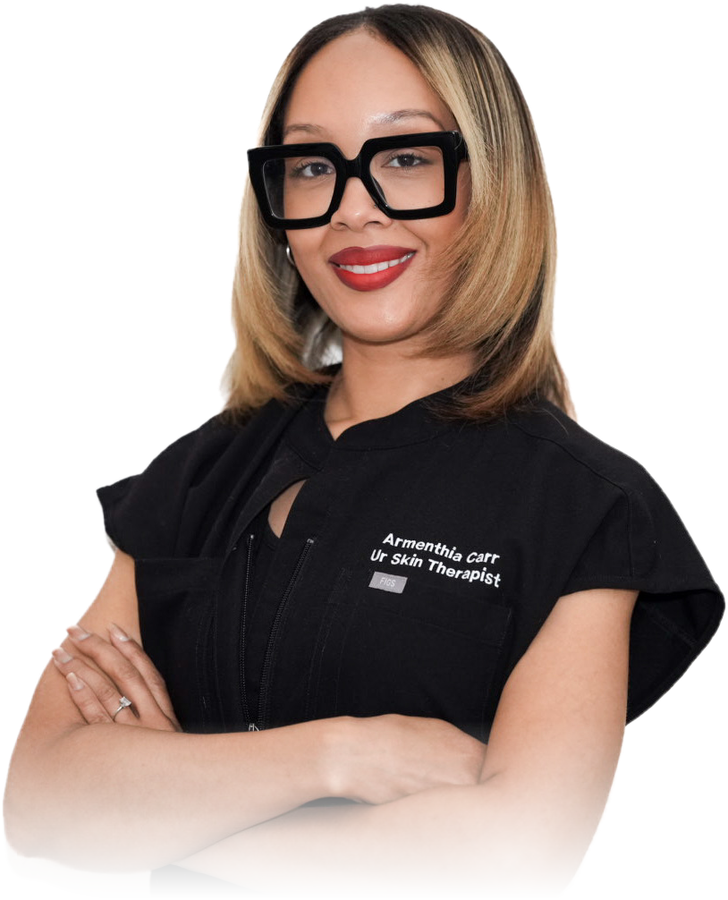
Some of the most important skincare conversations I have do not start with a serum, an acne treatment or a facial machine.
They start with a teenager looking in the mirror.
Sometimes they are already picking apart every bump. Sometimes a parent is doing most of the talking. Sometimes the young person has been trying whatever is trending online because somebody convinced them that burning, peeling, scrubbing and “purging” must mean a product is working.
And sometimes I have to tell them something they are not expecting to hear: your skin does not need to be everything you see on social media.
That is especially important for melanin-rich teens and tweens. When young skin becomes inflamed or irritated, the breakout may leave, but the discoloration can stay long after it.
So for me, caring for young melanin-rich skin is not about throwing the strongest routine at the first pimple. It is about protecting the skin while teaching the person inside of it how to care for themselves.
Start before there is something to “fix”
Young people are surrounded by skincare in a way many of us were not.
They know ingredient names. They watch skincare routines online. They see children with elaborate product shelves and teenagers layering products that were created to address concerns they may not even have yet.
Access to information can be a good thing. But information without context can turn into over-treatment very quickly.
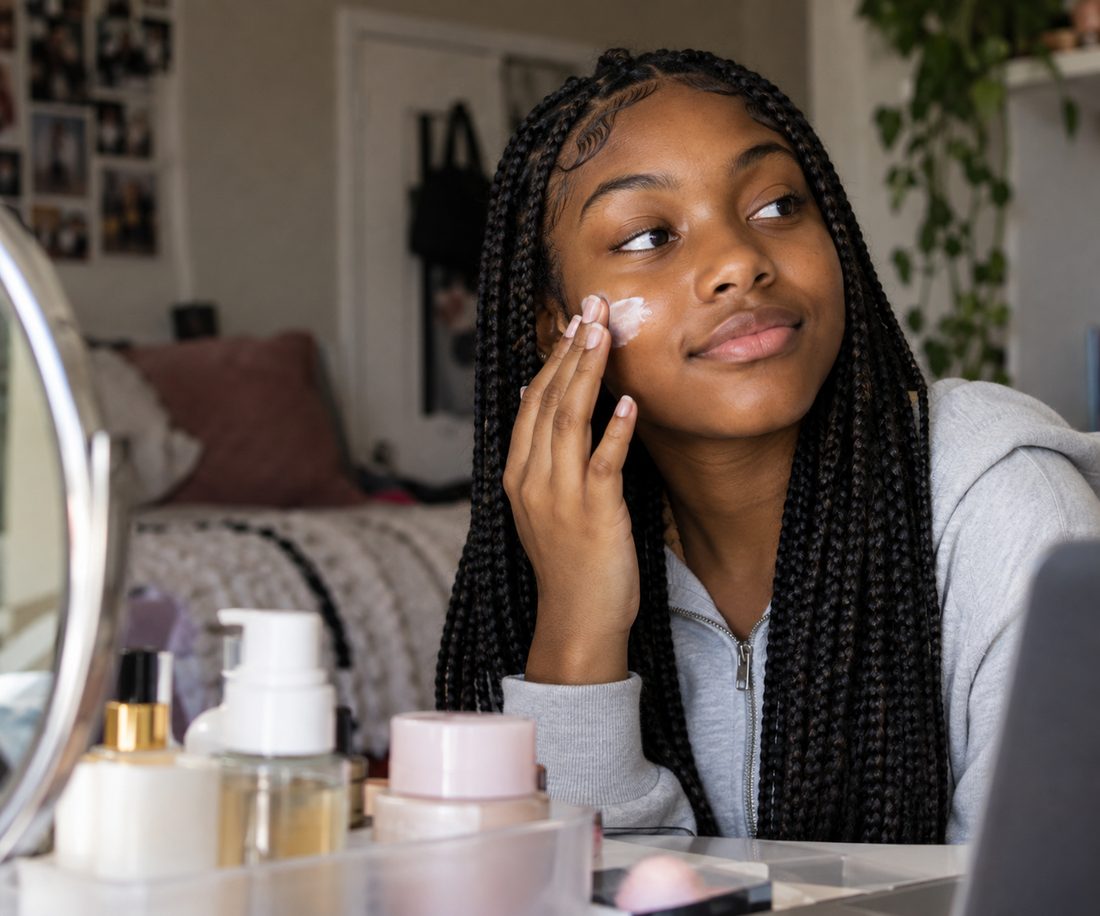
One of the most common mistakes I see is simply doing too much, too soon.
A teen notices congestion, so they add an exfoliating cleanser. Then a toner. Then an acne treatment. Then another active because the first one did not work fast enough.
Before long, the skin is dry, irritated and inflamed, and the original breakout is now competing with a stressed skin barrier.
My first goal is often not to add more. It is to simplify.
For a young client, a smart first routine can be beautifully boring: a gentle cleanser, an appropriate moisturizer and daily sunscreen.
If acne treatment is needed, it should be selected intentionally for the individual, not copied from somebody else’s routine online. And when acne is persistent, painful, scarring or beyond my scope as an esthetician, I want a dermatologist involved.
Young skin does not need every trending exfoliant. It does not need a complicated anti-aging routine. It does not need to chase “glass skin.” It needs consistency.
The breakout isn’t always the part that lasts
When I am treating melanin-rich skin, I am always thinking beyond the active breakout.
Because sometimes the pimple is not what bothers my client the longest. It’s the mark it leaves behind.
A teenager may have a breakout that lasts several days and discoloration that seems to stay for months. Then they start picking at the next pimple because they want it gone faster. Or they scrub harder. Or they reach for something stronger.
That additional inflammation can create another cycle of discoloration. This is why I take irritation seriously.
There are absolutely times when active ingredients are appropriate for young clients, especially as part of a thoughtful acne plan.
But there is a difference between intentional treatment and stacking products because social media said more is better.
With young melanin-rich skin, I want enough intervention to support change without creating unnecessary inflammation in the process.
Sometimes a reset is more valuable than an extraction
A lot of teenagers are nervous about professional facials for one reason: extractions.
They have seen the videos. They expect pain. They think a professional facial means someone is going to squeeze every pore until their eyes water.
That is not how I want a young person’s first experience with professional skincare to feel.
When it is appropriate for the skin in front of me, I prefer gentler approaches to cleansing and decongestion. One modality I may incorporate is hydradermabrasion. For the right young client, it can be a way to help cleanse and refresh congested skin without turning the entire appointment into an aggressive extraction session.
I especially like the idea of a reset around transition points: before school starts, before beginning a consistent home routine, or when a teen is preparing to begin a more structured acne journey.
But the modality is never the point. The treatment should fit the skin in front of you, not the trend, not everything sitting in your treatment room and definitely not what looked satisfying in a 30-second video.
The first thing I treat is trust
You cannot build a great skincare plan with a teenager who does not feel safe enough to talk to you.
I do not want my young clients to feel like they are being inspected. I do not want to talk about their face as though they are not sitting right there in the room. And I definitely do not want their breakout to become a character flaw.
I talk to them. I ask what they are using. I ask what actually bothers them about their skin. And I ask what they realistically think they can do consistently at home.
That last question matters. Because the best routine in the world is useless if a 13-year-old is not going to follow it.
Sometimes confidence grows because the skin improves. But sometimes confidence starts earlier than that.
Sometimes it begins when a young person realizes there is finally an adult in the room who is listening to them instead of making them feel embarrassed about their skin. That matters, too.
Why I started rewarding report cards with facials
One of my favorite things I have built in my practice has nothing to do with selling skincare. I created a report-card facial program for young people.
The report-card facial program
- All A’s
- A facial at no charge.
- A’s and B’s
- 50% off a facial.
- Who it’s for
- Students age 13 and older, who bring in their report card.
Of course I want to celebrate their grades. But I also love what the experience creates around skincare.
For some of these kids, a facial becomes more than a reward. It becomes their introduction to caring for their skin before they have years of bad habits to undo.
They have a place to ask questions without being made to feel silly. They learn that skincare is not about changing who they are or trying to achieve somebody else’s complexion. They learn that healthy skin is the goal.
And maybe most importantly, they get to associate caring for themselves with accomplishment instead of insecurity.
The beauty industry is very good at selling people something after convincing them something is wrong with them. I want young people to have another experience. I want them to learn that taking care of themselves can come from pride, education and prevention.
The one thing I wish every parent knew
If a parent walked into my treatment room tomorrow and asked me, “Where do I even start?” my answer would be simple: do not wait until your child hates their skin to teach them how to care for it.
You do not have to panic over the first breakout. And you definitely do not have to build them a 10-step routine.
Start simple. Teach them not to pick. Make sunscreen normal. Pay attention when something is irritating their skin instead of assuming irritation means a product is “working.”
Get additional professional help when acne becomes persistent, painful, scarring or emotionally distressing.
And if you are taking your child to an esthetic professional, look for someone who understands young skin, understands melanin-rich skin and understands when something needs to be referred to a dermatologist.
Most of all, listen to your child. What looks like “just a few bumps” to an adult may be the first thing that teenager thinks about when they walk into school.
Our job should never be to create more fear around their skin. Our job is to give them tools.
Because when we teach a young person how to care for their skin before shame, misinformation and over-treatment take over, we are doing far more than treating a face. We may be changing the relationship they have with their skin for the rest of their life.
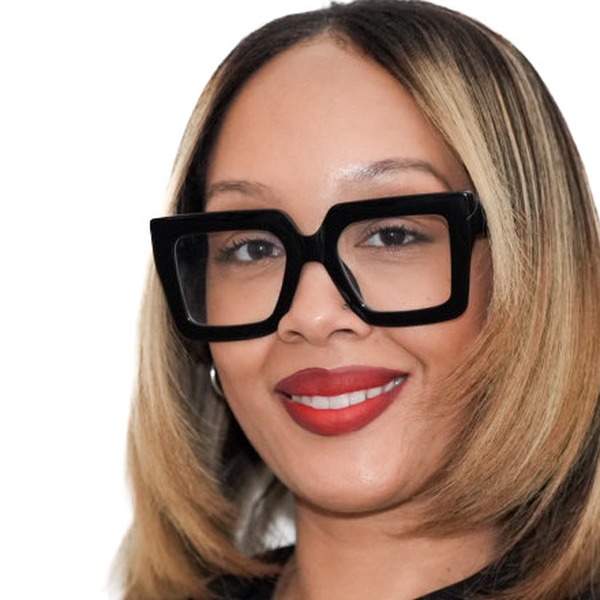
Armenthia Carr
Armenthia Carr is a licensed esthetician and educator specializing in melanin-rich skin. She practices at Ur Skin Therapist in North Little Rock, Arkansas, teaches through IAMA Artistry LLC, and serves as the subject matter expert for skin of color in the forthcoming 13th edition of the Milady esthetics textbook.